
Climate change has emerged in recent years as perhaps the most important challenge confronting humanity. As the role of greenhouse gas emissions as the main driver of climate change has come into focus, efforts to transition away from fossil fuels and towards renewable energy sources have intensified. Among the latter, wind energy has attracted policy attention, especially in areas, such as coastal regions with favorable conditions. According to the Ember Climate Organization, wind and solar energy generate more than 10% of global energy. Therefore, the world is increasingly looking into wind energy as one of the most feasible alternatives for the future because it is clean energy and friendly to the environment. Specifically, offshore winds are a valuable resource waiting to be harnessed as they are faster and create more energy than can often be generated onshore and also find greater acceptability with the public.
New Jersey has more than 100 miles of shoreline, and urban centers like Atlantic City depend on tourism as their primary source of income; furthermore, the Jersey shore is home to a variety of wildlife. Jersey shore stakeholders, including businesses and communities, look to the shore as a place for a second home or as an economic opportunity, especially in tourism. The shore is the home to a vibrant culture that provides nightlife options to residents and tourists alike. In view of the economic, ecological, and cultural importance of the New Jersey shore area, the perception of the residents and others towards offshore wind energy needs to be investigated.
Project Goals
This project primarily aims to show the impact of offshore wind farms on local communities in a 45-minute ethnographic audiovisual work. The success of offshore energy needs the engagement of the community, and to this end, this documentary will investigate the values, perceptions, and attitudes of Jersey shore stakeholders that will shape their reception of offshore wind energy. Among the issues that will be explored are the stakeholder perceptions related to the impact on property values, tourism and recreation, and wildlife. Offshore wind energy is already implemented in different countries and states, and it is particularly important to explore the
community perceptions towards offshore wind energy because of their potential to affect the response, although there is little evidence of the direct impact of Aeolic energy on property value because wind farms are located in the sea and are not visible from the shore. Furthermore, a study leads it by the energy company Orsted suggests that offshore wind does not affect tourism and businesses related to that industry; on the contrary, offshore wind often prompts tourists to visit the beaches. So, we can consider that offshore energy positively impacts shore communities, creating employment and new revenue sources for local stakeholders. There is a big concern about the effects of turbines and birds, especially on animals treated to extinction. Still, many studies like the one developed by the U.S. Fish and Wildlife
Service show that human activities like glass buildings or cars are the most significant danger to wildlife.
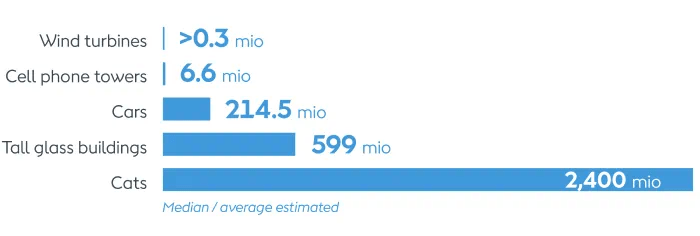
There is no denying that humanity is presently in the grips of an acute fossil-fuel dependency. This audiovisual work aims to create interest in offshore wind energy and contribute to improving our environment through the promotion of renewable energy. A strong impact that is not taken into consideration is that offshore wind will help improve the health of local citizens because it does not produce emissions, unlike the burning of fossil fuels. Offshore wind energy is just taking off in the US, and there is not enough information about the relationship between offshore energy and local communities on our shores.
Project Outcomes and Timeline
In addition to the documentary, the ethnographic work underpinning it will be hosted on an online blog where I will be posting offshore wind data, its relationship with local culture, principal players involved in wind energy, and facts that can help the local community to understand the benefits of Aeolic offshore energy. The blog will also provide regular updates about the process of filmmaking. This online blog aims to be an interactive platform that can serve to bring together offshore experiences in our country and worldwide. In addition, the blog can help create a network between the parties that play a role in clean energy production.
The audiovisual work has a 45 weeks production plan; through my experience in the audiovisual field, I will assign nine weeks to familiarize myself with the environment and align the goals of this project with the research in the area. The documentary will utilize the stakeholder-mapping technique to delineate the main actors in the field of offshore wind energy
in New Jersey. Furthermore, it will use a narrative technique and tell the “story” of offshore wind energy through the medium of “characters” situated in the communities. Because time is limited, it is vital to find a strong character in the community that will describe the benefits of offshore wind through his/her eyes. The documentary will follow the traditional structure of ethnographic works of renowned filmmakers like Jean Rouch or Werner Herzog; those works use the voiceover technique to complete the information provided by the main characters.
Besides representatives on screen, the audio will transmit the emotive part and complement the oral statements and testimonies. Filmmakers like Herzog or Robert Flaherty give more attention to the information than the technique; the use of long shots helps to understand the message
because it is less distracting and allows the viewers to concentrate on an image for a more extended period.
During the first few weeks, I will write an essay with objectives that will work as a script. During the second stage, I will be filming interviews and following characters during their labor and life, participating in meetings, and exploring creative ways to present offshore energy through audiovisual work. The second stage will take approximately 23 weeks; during the last
weeks, I will start editing and putting together clips and audiovisual material recorded in more than 30 weeks of researching and filming. The later stage of this audiovisual work will take approximately 12 weeks; it includes validating the research’s final thesis statement. Furthermore, the phase consists of audio and video editing, audiovisual rights, use of archives, recording of final interviews, and final details.
It is said that a picture is worth a thousand words, and 45 minutes of a creative documentary can reach more people from different backgrounds and by bridging the gap between perception and reality, make the offshore energy dream a reality.


Leave a Reply